Debt Management Tips
Taking care of your debt is an important financial skill that can make a big difference for your overall welfare and future chances. Handling credit card debt, student loans, personal loans or a mortgage can be easier and help you achieve financial freedom if you use the right method of managing your debt. Here, we look at useful advice on how to tackle your debt, repay your loans and speed up your efforts to reach financial health.
Exploring How Debt Affects How Healthy Your Finances Are
Having debt can be helpful when you control it, but too much or poorly handled debt can cause lasting financial problems. Taking out a high-interest loan, forgetting to pay on time and continually growing your balance is likely to lower your credit score, complicate future loan approval and make you feel financially uneasy. You need to understand how debt affects your finances before you plan how to pay it back.
You need to know how interest builds up before tackling your debt. If you pay off the minimum on credit card balances, your debt may grow at a fast pace. As a result, you take longer to repay the loan and you end up paying more interest as well. That’s the reason being organized and disciplined about debt is important for repaying it faster and seeing better results.
Making a truly realistic budget helps you regulate your spending.
It is crucial to start any debt repayment strategy by making a reliable and complete budget. A budget allows you to see where your money comes and goes, note things you don’t need and put extra funds toward your loans. Paying more attention to how you use your money each month allows you to save in order to pay off your debts.
Remember to add every type of cost, whether fixed or variable, when setting your budget. Watch what you spend over a full month to see your financial habits. As soon as you have a clear overview, you should start saving money by not eating out, canceling unnecessary subscriptions or avoiding impulse buys. Little changes can slowly grow your savings which you can use to pay your loan.
Having Specific Plans to Pay Off Your Debts
Goals help provide order and purpose to the way you pay off your debts. Instead of just planning to pay your debts, try to clear a single loan in 12 months or decrease your debt by half in the next 18 months. Clearly defined goals inspire you and allow you to notice your advancements.
Setting targets in repayment allows you to design a flexible payment system you can afford. If you want to pay off a personal loan early, you could decide to pay twice a month instead of once a month. By simply making a higher payment each year, you could save money on the interest for your loan.
Deciding on the Best Way to Repay
There are various techniques that can make loan repayment faster. Many people use the avalanche method and the snowball method. Paying off the debts with the highest interest rates first is what’s known as the avalanche method, while you can use the snowball method by making only the minimum payment on all debts. With this plan, you will spend less in interest charges in the long run. Adopting the snowball method means you work off the minimal amounts owed which can lead to easy and motivating benefits.
The right strategy for you depends on both your finances and who you are. The snowball strategy is ideal for those who want emotional success, but those focused on money saving usually escape debt using the avalanche technique.
Choosing Fast Payments for Less Time to Pay
Increasing the amount you pay on your loans every month is one of the best methods to speed up the process. A little extra can lower your interest expenses and shorten how long the loan will last. To do this, you can pay any extra windfall you get from a tax refund, work bonus or even by selling unwanted stuff.
Whenever possible, arrange for automatic payments that are bigger than the basic amount you must pay. If you automate those payments, it helps you stick to your plan and reduces the chance of losing cash. Even so, make sure your lender confirms that any overpayments will be deducted from the main loan balance.
Also Read: Freelancing & Remote Work: Building a Career Without Borders
Looking into Different Ways to Consolidate Debt
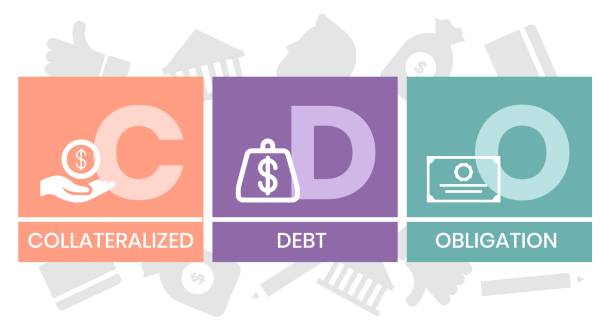
Taking out one loan for your existing debts is a way to organize them and save money on your total interest. That means consolidating many different debts into one new loan that usually offers a better rate and more manageable paying habits. Common methods of debt consolidation are personal loans, balance transfer credit cards and home equity loans.
Consolidating debt doesn’t remove your debt, but it can be helpful if you pay it off carefully. You should always spend time researching lenders, looking at interest rates and examining fees before you decide. Managing money well is easier for those with a reliable income, good credit and who want to focus on paying off debts instead of taking on more.
How Raising Your Credit Score Leads to Better Loan Conditions
A good credit score may get you lower interest rates and easier payment plans for your loans. Reducing your debt will help your credit score, yet some other routines are important too. Insisting on paying bills when they’re due, keeping your credit balance low and staying away from taking out new loans can all contribute to a higher rating.
Keeping an eye on your credit report every so often helps you know your financial health and watch out for mistakes that may lower your score. Many times, you can get free reports from credit bureaus each year to address discrepancies and make your profile better for upcoming financial needs.
Resisting stress and taking time to learn; overtime you will get where you want to be.
To repay debt, you need to commit time, stick to a plan and keep your mental strength up. This part of the journey can be hard when you don’t see much change or progress. Keep in mind why being debt-free is a good thing: you will have more money, experience less worry, improve your credit and be able to save for what you want later.
If you can picture where you want to be, honor little victories and gather advice from your family or a financial expert, you’re more likely to meet your financial targets. Sticking to a plan and being patient over the long run gives you the chance to overcome large debts.
To pay back your loans, refrain from taking on anything new.
One of the least thought-about ways to manage debt well is by not getting new loans while you are repaying existing debts. Adding more debt doesn’t help and may result in you never fully repaying it. For this reason, make sure you always think about how you are taking out loans.
Ask yourself if you really need the credit before using it and think twice before you make payments on items you could do without. Pay for day-to-day costs either with your debit or cash and set up an emergency fund to catch you off guard. Paying your debts in a disciplined way now helps you stay stable in the future.
Closing: How to Achieve a Financial Future without Debt
With careful planning, budgeting, keeping values close and making smart repayment moves, you can pay off your loans faster. Recognizing your debt, preparing a realistic budget, deciding on convenient repayment options and preventing more debt will get you closer to financial freedom more quickly than you might expect. Good debt management relieves your stress now and allows you to plan financially for the future.